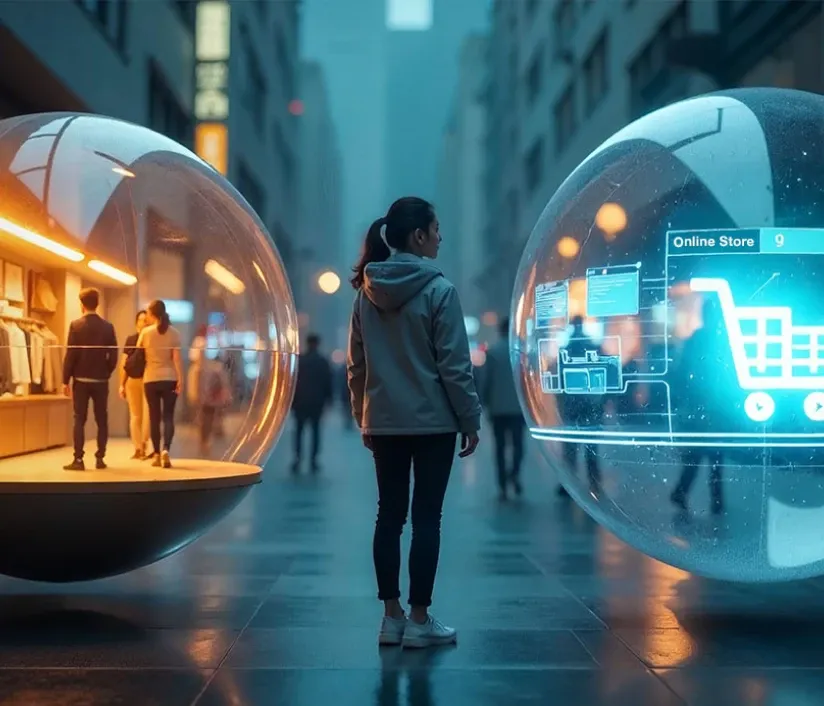


Introduction to Omnichannel Marketing
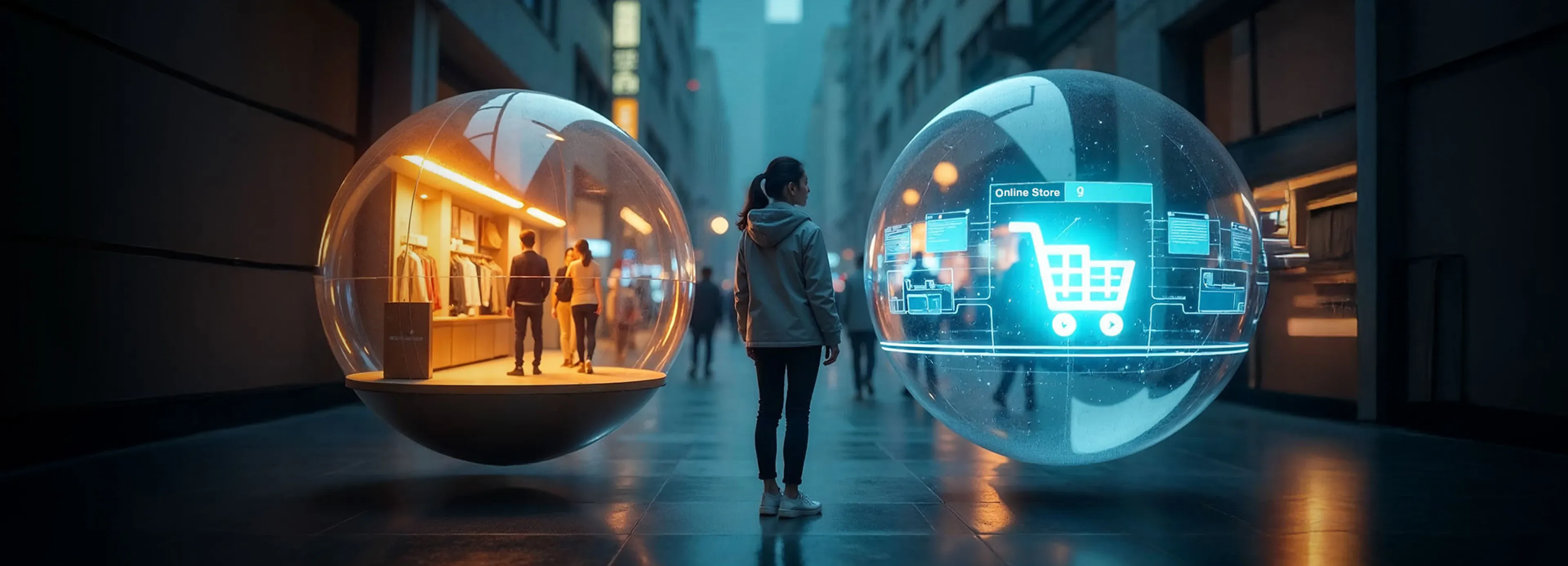
In today’s fast-changing retail environment, customers expect a smooth and consistent shopping experience whether they interact with your brand in-store, on a website, or through social media. This expectation has given rise to omnichannel marketing, a holistic approach that integrates all customer touchpoints into one connected journey.
For brands in retail and beyond, understanding what is omnichannel and how to implement it effectively is no longer optional. It has become the foundation of customer loyalty and long-term business growth. By creating omnichannel campaigns, businesses can bridge the gap between offline and online interactions, offering customers a seamless path that enhances convenience and builds trust.
What is Omnichannel and Why It Matters
So, what does omnichannel marketing mean for businesses today? At its core, the omnichannel meaning is about putting the customer at the centre. Unlike older models where online and offline strategies were separate, an omnichannel strategy integrates every channel, from physical stores to digital platforms, into a single, unified experience.
For example, a customer may browse products online, receive a personalised email offer, then visit a store to try the product, and finally complete the purchase on a mobile app. An effective omnichannel customer experience ensures this journey feels smooth, connected, and personalised, no matter how many channels are involved.
This matters because consumer expectations have shifted dramatically. Research consistently shows that customers who engage across multiple channels spend more and remain more loyal. An omnichannel ecommerce approach doesn’t just boost sales but also strengthens the relationship between brands and their customers.
Omnichannel vs Multichannel Marketing
Many businesses still ask: What is the difference between omnichannel vs multichannel?
Multichannel marketing means using different platforms (such as email, social media, and stores) to reach customers, but these channels often work in isolation. The customer may receive mixed messages or encounter friction when moving between channels.
Omnichannel marketing, on the other hand, focuses on integration. Every channel communicates with the others, so the brand presents a unified message and experience.
Think of multichannel as different instruments playing separately, while omnichannel is the full orchestra playing in harmony. Customers today expect the latter.
Benefits of Omnichannel Strategy for Retail Brands
Retail is one of the industries most transformed by omnichannel retail practices. With consumers blending physical and digital shopping habits, brands that adopt a strong omnichannel strategy stand to gain significant advantages. Let’s explore some of the key benefits:
1. Increased Customer Loyalty
One of the best omnichannel marketing practices for customer loyalty is consistency. When customers experience the same brand quality in-store, online, and across other platforms, they are more likely to return. Loyalty is no longer about discounts alone; it is about trust built through smooth interactions.
2. Higher Customer Retention
Brands often wonder how omnichannel strategy improves customer retention. The answer lies in relevance. Customers who feel recognised and valued through personalisation, whether via tailored recommendations online or knowledgeable staff in-store, are less likely to switch to competitors.
3. Improved Sales and Revenue
Omnichannel shoppers tend to spend more than single-channel shoppers. They may research online before buying in-store or check out products in-store before ordering online for delivery. Each touchpoint reinforces the purchase decision, increasing overall basket size.
4. Better Use of Customer Data
Using offline data to optimise online campaigns is a powerful tactic. For example, data collected from in-store purchases can inform personalised online ads, while online browsing history can guide in-store promotions. This integration creates smarter campaigns with higher conversion rates.
5. Stronger Brand Presence
A well-executed integrated marketing strategy not only improves sales but also strengthens brand perception. Customers see the brand as consistent and professional, regardless of where they engage. This builds long-term credibility.
Steps to Create a Seamless Omnichannel Experience
Implementing an effective omnichannel strategy requires more than simply adding new platforms. It involves a step-by-step approach that connects every touchpoint while maintaining focus on the customer journey. Below are steps to create a seamless omnichannel experience:
Step 1: Understand Customer Behaviour
Begin with data. Analyse how your customers currently interact with your brand across different channels. Do they prefer researching online before shopping in-store? Or do they use mobile apps for convenience? Identifying these behaviours helps shape a relevant strategy.
Step 2: Align Brand Messaging
Your brand message should remain consistent across all platforms. Whether it’s an email, social post, or in-store signage, customers should recognise the same tone and values. Consistency reduces confusion and builds trust.
Step 3: Integrate Technology Platforms
A seamless cross-channel engagement requires systems that can communicate with each other. Integrate your ecommerce platform, CRM, and point-of-sale systems so that customer data flows smoothly between online and offline environments.
Step 4: Personalise the Experience
Use data insights to personalise offers and recommendations. For example, a customer who browsed trainers online could receive an in-store coupon for footwear. Personalisation makes the customer journey more relevant and engaging.
Step 5: Train Your Team
Staff play a critical role in delivering an omnichannel customer experience. Train them to use digital tools, understand customer data, and maintain consistent service across all touchpoints.
Step 6: Measure and Adjust
Track performance metrics such as sales conversion rates, repeat purchases, and customer satisfaction scores. Regularly adjust your approach to ensure campaigns remain effective.
Bridging Offline and Online Marketing Campaigns
One of the most pressing challenges for businesses is how to bridge offline and online marketing campaigns effectively. While online platforms provide vast reach and data-driven targeting, offline channels such as events, billboards, and stores continue to play a crucial role in influencing decisions.
The key lies in integration. Here are some practical ways businesses can connect offline and online efforts:
QR Codes and NFC Technology: Add QR codes to print materials or product packaging that lead directly to personalised landing pages.
Click-and-Collect Services: Encourage customers to order online and pick up in-store, blending convenience with personal service.
Event-Based Engagement: Use digital channels to promote offline events, then share highlights online to extend their reach.
Unified Loyalty Programmes: Create one loyalty system that tracks purchases both in-store and online, rewarding customers consistently.
Offline Data Integration: Collect in-store data such as purchase frequency and merge it with online browsing patterns to create comprehensive customer profiles.
By combining offline reach with online precision, businesses can deliver truly effective omnichannel campaigns that drive engagement and loyalty.
Examples of Successful Omnichannel Campaigns
Learning from real-world examples can help you see how other brands have successfully implemented omnichannel campaigns. Below are three standout cases:
Starbucks
Starbucks
Starbucks has long been recognised for its strong omnichannel strategy. Their mobile app integrates seamlessly with the in-store experience. Customers can order ahead, collect rewards, and even pay using their phones. The loyalty programme works both online and offline, making the omnichannel customer experience consistent and rewarding.
Nike
Nike
Nike combines offline to online marketing through its retail stores, ecommerce platform, and mobile apps. Customers can browse products online, book in-store experiences, and access personalised recommendations. By blending digital and physical channels, Nike keeps engagement high and drives customer retention.
Sephora
Sephora
Sephora offers one of the best examples of successful omnichannel campaigns. Their Beauty Insider loyalty programme connects online shopping with in-store purchases. Customers receive personalised product suggestions, can book consultations online, and redeem rewards in-store, creating a fluid journey that strengthens loyalty.
These brands demonstrate that an integrated marketing strategy is not about technology alone but about creating meaningful, consistent engagement at every touchpoint.
Best Omnichannel Marketing Practices for Customer Loyalty
Building a lasting connection with your customers requires more than offering multiple platforms. It requires deliberate, thoughtful practices that prioritise customer needs. Here are some best omnichannel marketing practices for customer loyalty:
1. Prioritise Mobile Accessibility
Ensure your mobile app and website are easy to use, as many customer journeys begin on smartphones.
2. Invest in Personalisation
Tailor communications based on browsing and purchase history. Personalisation makes customers feel valued.
3. Maintain Transparent Communication
Use email, SMS, and push notifications to keep customers updated, but avoid overwhelming them with too many messages.
4. Reward Consistently Across Channels
Design a loyalty programme that works both online and offline. Customers should earn and redeem rewards no matter how they shop.
5. Leverage Social Media for Engagement
Encourage customers to share their offline experiences online. User-generated content builds trust and expands reach.
How Omnichannel Strategy Improves Customer Retention
Customer retention is often more cost-effective than acquisition. An effective omnichannel strategy strengthens retention in several ways:
Consistency Reduces Friction: Customers who encounter a smooth journey are more likely to return.
Personalisation Builds Trust: Recognising preferences makes customers feel valued.
Convenience Encourages Repeat Purchases: Services like click-and-collect make shopping easier.
Cross-Channel Engagement Deepens Connection: Engaging customers across multiple touchpoints keeps your brand top of mind.
When retention improves, customer lifetime value increases, leading to higher profitability and sustainable growth.
Using Offline Data to Optimise Online Campaigns
One of the most underused tactics in omnichannel marketing is leveraging offline insights to improve digital efforts. Here’s how you can do it:
Sales Receipts and POS Data: Use in-store purchase data to send personalised follow-up emails or recommendations.
Customer Surveys: Collect offline feedback and apply the insights to shape online messaging.
Event Attendance: Track who attends physical events and retarget them with relevant online ads.
Loyalty Program Insights: Use loyalty card data to better understand customer habits and integrate that into online campaigns.
By combining these insights, you can design online campaigns that feel personalised and relevant, leading to higher engagement rates.
Steps to Bridge Offline and Online Marketing Campaigns
To pull all these insights together, here’s a step-by-step breakdown of how to bridge offline and online marketing campaigns in your business:
1. Map the Customer Journey
Identify how your customers interact with your brand across offline and online channels.
2. Define Key Touchpoints
Highlight where offline and online overlap. For example, researching online before visiting a store.
3. Integrate Data Systems
Ensure POS systems, CRM, and ecommerce platforms share data. This enables personalisation at every touchpoint.
4. Develop Cross-Channel Content
Create campaigns that encourage movement between channels, such as in-store discounts promoted via email.
5. Test and Measure
Track metrics such as conversion rates and customer retention to identify areas for improvement.
What Does Omnichannel Marketing Mean for Businesses
So, in practical terms, what does omnichannel marketing mean for businesses? It means adapting to the reality that customers are in control of their journey. Businesses must no longer think in terms of isolated campaigns but instead design connected journeys.
It also means investing in technology that allows data to flow seamlessly, and in training staff to deliver consistent service across all channels. Ultimately, it’s about aligning business goals with customer expectations, a move that leads to stronger loyalty, better retention, and more sustainable growth.
The Future of Omnichannel Retail
Looking ahead, omnichannel retail will continue to evolve with new technologies such as artificial intelligence, augmented reality, and predictive analytics. These tools will enable even greater personalisation and integration between offline and online experiences.
For retail brands, the question is no longer whether to adopt an omnichannel strategy, but how quickly they can implement it to stay competitive. Those who act now will be better positioned to thrive in the future.
Bringing Omnichannel Campaigns to Life
Many businesses are curious about how omnichannel really works in practice. To make things clearer, let’s look at some common questions around strategy, touchpoints, measurement, and how Trinergy helps brands bring it all together.
What is an omnichannel marketing campaign
An omnichannel marketing campaign is more than just running ads on multiple platforms. It’s about creating one unified brand experience that connects every touchpoint, whether physical or digital. From a customer’s perspective, moving between a store and a mobile app should feel effortless, with the same consistency in messaging and service.
Why connect offline and online experiences
Customers don’t think in terms of channels, they just want convenience and recognition wherever they interact with your brand. By connecting offline and online experiences, businesses can meet this expectation, offering personalisation and consistency across every engagement.
Examples of omnichannel touchpoints
Touchpoints can take many forms: in-store kiosks, mobile apps, websites, email campaigns, social media platforms, and QR codes on product packaging. Each one plays a role in the customer journey, but together they create a seamless flow from discovery to purchase.
How to track omnichannel campaign success
Measuring impact requires more than surface-level metrics. Brands often use cross-channel analytics, attribution modelling, and CRM data to understand how customers move between touchpoints. These insights not only reveal success but also highlight areas for improvement.
How Trinergy delivers omnichannel campaigns
At Trinergy, we design omnichannel campaigns by aligning messaging, design, and data integrations across every stage of the journey. Our focus is on making sure that wherever your customer connects with your brand, the experience feels consistent, relevant, and seamless.
Now is the Time to Embrace Omnichannel
Bridging the gap between offline and online is no longer optional. Customers expect a seamless, personalised journey, and businesses that deliver it will enjoy stronger loyalty and higher retention. Whether through consistent messaging, integrated data systems, or examples of successful omnichannel campaigns like Starbucks, Nike, and Sephora, the evidence is clear: the future of marketing is omnichannel.
If you want to create effective omnichannel campaigns that engage customers across every touchpoint, Trinergy Digital can help. Our team specialises in designing and executing integrated marketing strategies that connect online and offline experiences, ensuring your brand delivers value at every stage of the journey.
Contact Trinergy Digital today to discover how we can help your business build a seamless omnichannel strategy that drives growth.